Swag That Slaps: Inside Our Merch Lab (Allegra Cohen’s Joy-as-Leadership Drop) 🪩

By Amanda Hofman, Chief Swag Officer and Branded Merchandise Expert

Some branded merchandise is made to promote a company.
But the best custom branded merchandise is made to promote a person — or more specifically, the version of themselves they’re becoming.

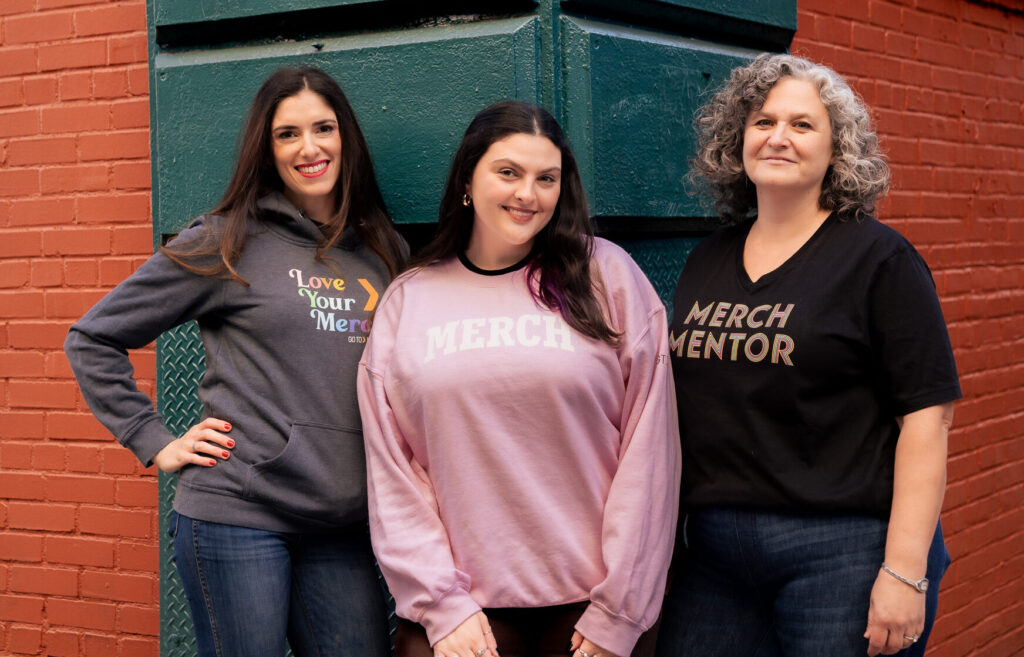
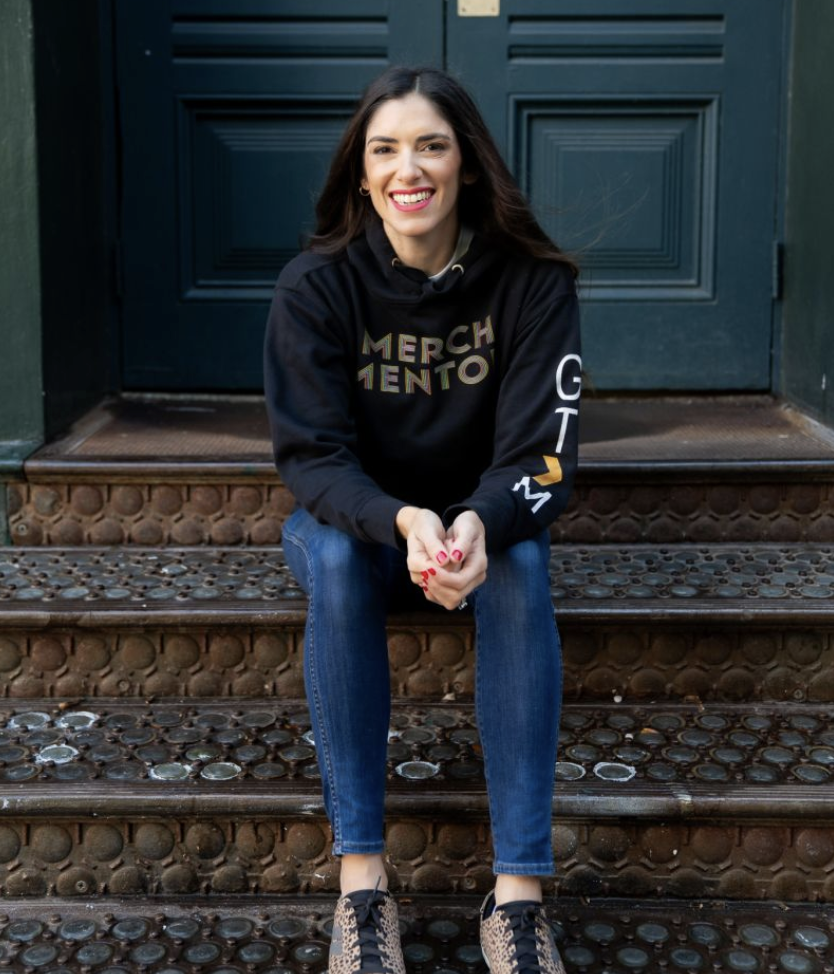
That’s exactly what Allegra Cohen’s new merch drop does. It treats joy like the leadership skill it is.

She’s got that unmistakable:

🥳 joy but make it leadership 🥳
energy.

And we built merch to match it.

Welcome back to the Merch Lab — where we design company swag that doesn’t just look good, but means something.

The Vibe Check: Joy as a Leadership Strategy

Let’s be clear: Allegra’s version of joy isn’t performative.

It’s not “positive vibes only.”
It’s not forced optimism.
It’s not cheerleader energy.

It’s something deeper:

  • Joy as resilience
  • Joy as clarity
  • Joy as presence

The kind of joy you build with intention — and the kind you can carry into a room like a signal.

When a community believes in something that strongly, it deserves branded apparel that reflects it.

Why We Made This Merch (and Why It Works)

Allegra helps people show up with joyful presence — in leadership, in work, in life.

So we didn’t want to create generic promotional products with a logo slapped on.

We built something better: a uniform for that energy.

A piece that feels:

  • grounded
  • confident
  • unapologetic
  • and truly wearable

This is the difference between typical corporate swag and premium company swag designed with intention.

Because when branded merchandise is aligned with identity, it doesn’t get tossed in a drawer. It gets worn on repeat.

What Makes This Drop “Swag That Slaps” 🪩

The best merch doesn’t scream. It signals.

This drop is built like a subtle badge — the kind that makes someone feel recognized without needing to explain themselves.

✅ It’s Identity-First (Not Logo-First)

A lot of branded merchandise tries to do too much with the logo.
This drop does the opposite.

The message and vibe lead. The branding supports.

That’s why it reads more like a lifestyle piece than a marketing item — which is exactly what makes branded merchandise work in the real world.

✅ It’s Designed for Real Life

This isn’t merch that only works at an event.

It’s the kind of custom branded apparel people wear:

  • to lead a team meeting
  • to run errands
  • to a workshop
  • to a coffee shop
  • to remind themselves they’re doing this on purpose

The best company swag fits into someone’s routine — because that’s how it creates long-term brand visibility.

✅ It Gives People a Role to Step Into

This is the real magic:
The merch doesn’t just represent Allegra.
It represents the community.

It’s a badge for people who choose joy on purpose — even when it’s hard.

That’s the kind of emotional connection that makes branded merchandise more powerful than almost any other marketing tool.

Steal This Move: Give Your Community a Title They’re Proud to Wear

Here’s the Merch Lab takeaway you can apply to your own brand:

Give your community a title they’re proud to step into.

People don’t want merch that just says “I attended.”
They want merch that says:

  • “This is who I am.”
  • “This is how I lead.”
  • “This is what I believe.”
  • “This is what I’m building.”

When your branded merchandise reflects how someone shows up in the world, it stops being swag…

…and starts becoming identity.

What This Teaches Us About Great Branded Merchandise

Whether you’re building swag for a personal brand, a leadership community, or a company culture — this principle holds:

Merch isn’t just a giveaway. It’s a mirror.

It should reflect your people back to themselves in a way that feels true.

And when it does, you get the holy grail of company swag:

✅ repeat wear
✅ organic brand exposure
✅ community pride
✅ emotional connection
✅ merch that people actually keep

That’s what great promotional products are supposed to do.

The Bottom Line: Joy Looks Good on Leaders

Allegra’s merch drop works because it’s built around a belief — that joy isn’t fluff.

It’s leadership.

And when branded merchandise carries that kind of meaning, it doesn’t feel like marketing.

It feels like a badge of honor.

When Branded Merchandise Gets This Good, It Becomes Culture (Heinz x Herschel + the Rise of Fan-First Swag)

By Amanda Hofman, Chief Swag Officer and Branded Merchandise Expert

Apparently, one in four Gen Z and Millennials carry their own condiments.
Condiments. In their bags.

I had to read that twice.
Then three times. 🤔🤔🤔

But once the shock wore off, I realized… it actually makes perfect sense.

Some people mainline lattes. (👀 Lorelai Gilmore)
Some people won’t shut up about ranch. (👀 Jim Gaffigan)
Some people are ketchup people. (👀 all children everywhere)

And when a brand understands that kind of devotion?
That’s when branded merchandise stops being promotional… and starts being a love language.

The Case Study: Heinz x Herschel Supply Company (Ketchup Luggage, But Make It Genius)

So Kraft Heinz teamed up with Herschel Supply Company and made luggage for people who love ketchup.

Read that again: ketchup luggage.

  • Tomato-red carry-ons
  • Packet-pocket liners (yes, really)
  • “Tear here” zipper tabs

It’s absurd.
It’s delightful.
I love it.

And more importantly: it’s an example of branded merch done at the highest level — where the product is so specific, so intentional, and so on-brand that it becomes a collectible.

This isn’t “swag.”
This is brand world-building.

Why This Works: Branded Merchandise That’s Built for Fans, Not Impressions

Most corporate merchandise is designed to be safe.

And safe merch is usually forgettable merch.

But this Heinz drop? It’s designed for a completely different goal:

Not visibility. Identity.

When you build custom branded merchandise around real fan behavior, you’re not just asking people to notice you.

You’re giving people a way to signal something about themselves.

  • “I’m a ketchup person.”
  • “I’m loyal.”
  • “I’m in on the joke.”
  • “This is my personality now.”

And when your merch becomes a personality marker?
You don’t need a billboard.

Your customers are the billboard — and they’re doing it willingly.

The Merch Lab Breakdown: 3 Reasons This Collab Hits So Hard 🔥

1) It’s hyper-specific (which makes it irresistible)

General merch blends in.
Specific merch stands out.

This luggage isn’t trying to appeal to “everyone.”
It’s for ketchup devotees, and that’s exactly why it works.

The more niche it feels, the more fans feel seen.

2) It turns brand elements into product features

This is the part most companies miss.

They think branding means slapping a logo on something.
But premium branded merchandise does something smarter:

✅ It turns brand cues into the design language.

Heinz didn’t just put a logo on a bag.
They translated their brand into details people can touch:

  • ketchup red
  • packet storage
  • “tear here” tabs

That’s design thinking, not promo printing.

3) It’s funny, but still functional

A joke item that’s useless becomes clutter.
A joke item that’s actually useful becomes iconic.

This is luggage you can legitimately travel with — and that’s why it has real staying power.

When branded merch is both functional and fun, it gets repeat use.

The Bigger Trend: “Lifestyle Swag” Is Eating the Merch World

This is what’s happening right now:

The best brands aren’t making merch to “give away.”
They’re making merch people would actually buy.

That shift matters, because it changes everything:

  • better quality
  • better design
  • better storytelling
  • better brand loyalty
  • and merch that lives in real life, not desk drawers

Call it:
Fan-first branded merchandise.
Lifestyle promotional products.
Retail-quality company swag.

Whatever you call it, it works because it respects the customer.

What Brands Can Steal From This (Even Without a Heinz-Level Fanbase)

You don’t need millions of ketchup loyalists to apply this strategy.

Here’s how to use the Heinz x Herschel playbook in your own merch program:

✅ 1) Start with a truth about your community

What do your people obsess over?
What are they known for?
What do they joke about?

Build merch around that.

✅ 2) Design a product that feels like an inside joke

Inside jokes create belonging.
Belonging creates loyalty.

✅ 3) Make the details do the branding

Logos are fine.
But details are what make merch feel premium.

✅ 4) Choose products people want in their real lives

If your merch can’t survive outside a conference booth, it’s not going to create brand love.

The Takeaway: When You Have Fan Devotion, You Can Go Beyond a Billboard

When a brand like Heinz has this level of fandom, they don’t need to “advertise.”

They can create something people want to:

  • roll through TSA
  • post on social
  • show off to friends
  • and yes… cuddle on vacation

That’s the power of great branded merchandise.

Not just exposure.
Affection.

Brand First, Logo Second: Why the Best Branded Merchandise Isn’t Just a Logo Slap

By Amanda Hofman, Chief Swag Officer and Branded Merchandise Expert

I say this with love:

Your logo might be good… but it’s not that good.

A logo is a symbol.
It’s important — but it doesn’t carry your entire story on its own.

And when it comes to branded merchandise, this is where a lot of companies get stuck.

They assume the logo is the merch.

It’s not.

Why Logo-Only Merch Falls Flat

A logo can identify a brand, but it doesn’t automatically create desire.

Most logo-heavy company swag ends up in one of two places:

  • a desk drawer
  • a donation pile

Why? Because people don’t wear logos just to promote brands.
They wear things that say something about them.

If your merch doesn’t communicate a feeling, belief, or message, the logo has to do all the work — and that’s a lot to ask.

What Actually Makes Branded Merchandise Work

Merch works when it carries a message people want to wear.

Not a mission statement.
Not a tagline stuffed with buzzwords.

A real message.

When you get that right, something interesting happens:

The logo becomes a detail.

The kind of thing someone notices on:

  • a cuff
  • a zipper pull
  • a hem tag
  • the back of a hat
  • an interior label

And when they spot it, the reaction isn’t “oh, that’s a logo.”

It’s:
“Yep. That tracks.”

That’s brand recognition done right.

Brand First, Logo Second

This is the mindset shift every smart merch program makes:

Identity before iconography.

Your brand identity — your voice, values, humor, and point of view — should lead.

The logo supports it.
It doesn’t shout over it.

That’s how custom branded apparel stops feeling promotional and starts feeling personal.

Why This Matters for Company Swag

When merch is logo-first, it feels like advertising.

When merch is brand-first, it feels like lifestyle.

And that difference determines whether your promotional products get:

  • worn in public
  • posted on social
  • used repeatedly
  • talked about
  • remembered

Or quietly ignored.

How to Design Branded Merch People Actually Keep

1) Start with a message, not a logo

Ask:

  • What do we believe?
  • What do our people say?
  • What phrase, idea, or vibe feels undeniably us?

Then design around that.

2) Make the logo the reward, not the headline

Put the logo where it feels intentional:

  • subtle embroidery
  • tone-on-tone print
  • interior details
  • unexpected placements

This is what turns corporate swag into something people actually like wearing.

3) Choose merch people want even without branding

If the item wouldn’t be appealing without a logo, it won’t be appealing with one.

Quality, fit, and design matter just as much as branding.

The Desk Test: Keeper or Clutter?

Quick question:

What’s the nearest logo’d object on your desk right now?

Is it:

  • something you use every day?
  • something you like having around?

Or is it:

  • clutter you just haven’t thrown out yet?

That answer tells you everything about whether the merch worked.

The Takeaway: Logos Don’t Make Merch Memorable

Logos help people recognize brands.
Messages help people connect with them.

The best branded merchandise understands the difference.

Brand first. Logo second.
Always.

Why Corporate Food Gifts Are a Hard Pass (and What to Send Instead)

By Amanda Hofman, Chief Swag Officer and Branded Merchandise Expert
We’re officially in the “always eating” season — you know, the time of year when every meeting has cookies, every inbox has a “holiday treats” email, and every doorstep is one delivery away from becoming a snack warehouse.

So let me rant 🤬 for a second about something I truly dislike:

Corporate food gifts.

And more specifically: why companies should stop giving food as gifts — even when it seems harmless, festive, or “universally loved.”

Because it’s not universal.
And when you’re sending gifts to tens, hundreds, or thousands of people, food gifts become messy fast.

Corporate Food Gifts Hit Two Very Personal Nerves

Let me start with the two reasons this topic is a big deal to me.

1️⃣ Food can be terrifying (and dangerous) in some homes

As the mom to a formerly very-allergic kid, I can tell you: certain foods aren’t just inconvenient.

They’re genuinely scary.

If you’ve never lived in an allergy household, it’s easy to underestimate how serious this is — so here’s the reality:

When another kid’s lunch could literally put your kid in the ER 🚑, you don’t treat food as “just a gift.”

You treat it like a risk.

And corporate gifting should never introduce risk into someone’s home.

2️⃣ Food is emotionally complicated

I also grew up in the “nothing tastes as good as skinny feels” era (🤮), and that does something to you.

Sometimes you just… don’t want people buying you food.

Even if it’s a gift.
Even if they mean well.
Even if it’s premium, artisan, “small batch,” and wrapped in a bow.

Food can bring up stress, pressure, and body stuff that nobody asked for.

And again: corporate gifting should never create emotional weight.

Why Corporate Food Gifts Fail at Scale

Here’s the core issue:

Food gifts might work one-on-one, but they fall apart when you’re sending gifts to a big group.

Think about how many ways this can go sideways:

🍪 Cookies in a gluten-free home
🍷 Wine in a sober home
🎂 Cake for someone on a low-carb diet
🍫 Chocolate for someone who hates chocolate
🥜 Anything that contains nuts… anywhere, ever

Whether people don’t like it or can’t have it, corporate food gifts become an expensive guessing game.

And the result is usually the same:
A well-intended gift that quietly gets donated, tossed, or regifted.

The Hidden Cost: Food Gifts Are High Waste, Low Impact

If your goal is employee appreciation or client loyalty, food gifts often miss because:

  • they’re consumed quickly (or not at all)
  • they can’t be used again
  • they aren’t visible after the moment
  • they don’t reinforce your brand over time
  • they come with dietary and allergy landmines

That’s a lot of risk for something that lasts… maybe 12 minutes.

“But I Love Baking for People!” Same. This Is Different.

Before you call me a hater gremlin Grinch 😑🤷‍♀️🧌 —

This rant applies only in a corporate context.

Bake for people you love.
I do.

When you know someone personally, you can tailor it. You can ask. You can adapt.

But when you’re a company sending gifts to a large list of people with different needs, beliefs, preferences, and health realities?

Food gifts are a ❌ for me.

What to Send Instead: Branded Merchandise That Actually Works

Here’s the good news: you can still send something fun, personal, and genuinely appreciated — without triggering allergy concerns or creating awkward diet dynamics.

The solution is thoughtful branded merchandise and practical corporate gifts people can use without stress.

Best Alternatives to Corporate Food Gifts (That People Actually Keep)

✅ 1) Premium branded apparel

Think:

  • custom hoodies
  • branded crewnecks
  • quality tees
  • beanies
  • socks that don’t feel like conference freebies

Branded apparel works because people choose when to wear it, and it lasts.

✅ 2) Useful daily carry items

  • insulated tumblers
  • high-quality totes
  • laptop sleeves
  • tech organizers
  • travel mugs
  • water bottles

These are the kinds of promotional products that become part of someone’s routine.

✅ 3) Employee welcome kits and holiday gift boxes (non-food)

Curated kits with:

  • branded notebooks
  • desk upgrades
  • self-care items
  • premium basics
  • giftable branded goods

These make great employee appreciation gifts without the food drama.

✅ 4) Print-on-demand merch (no waste, no guessing)

Print-on-demand lets people choose what they want and what fits.

No bulk ordering. No leftovers. No guessing sizes.
Just smart swag fulfillment.

The Bottom Line: Corporate Gifts Shouldn’t Come With Caveats

A great corporate gift should feel easy to receive.

No anxiety.
No restrictions.
No “can I even have this?”

Food gifts are great when they’re personal.
But at scale, they’re risky, wasteful, and often unusable.

If your goal is appreciation, loyalty, and brand love… choose branded merchandise that’s inclusive, practical, and actually wanted.

Banished to the Upside Down: The Branded Merchandise Mistakes That Haunt Teams (and the Print-On-Demand Fix) 👻

By Amanda Hofman, Chief Swag Officer and Branded Merchandise Expert

Some merch choices deserve to get banished to the Upside Down.

You know the ones:
bulk orders, size guessing, and the eternal pile of XXL sad boys haunting your storage closet like a cursed artifact.

And yet… brands keep doing it.

So today, we’re talking about the real merch monsters — the branded merchandise mistakes that drain budgets, waste inventory, and turn “company swag” into clutter.

And then we’ll get to the plot twist: print-on-demand branded merch, the modern fix that makes your swag program smarter, leaner, and way less haunted.

The Real Monsters: Merch Mistakes That Shouldn’t Exist in 2026

If brands had to confess their merch sins, the list would be brutal.

✅ Merch Sin #1: Pretending everyone is a medium

This is how you end up with:

  • a mountain of leftovers
  • awkward exchanges
  • and teammates quietly accepting the wrong size because it’s easier

Size guessing is the #1 cause of wasted branded apparel.

✅ Merch Sin #2: Ordering 500 hoodies to hit a price break… when you only need 200

Sure, the “per-unit cost” looks better… on paper.

But the real cost?

  • dead inventory
  • storage space
  • shipping
  • outdated designs
  • and money tied up in boxes you’ll never open

Over-ordering is one of the most expensive mistakes in corporate swag.

✅ Merch Sin #3: Letting swag live rent-free in a storage closet

This one is brutal because it sneaks up on you.

Swag closets become graveyards for:

  • old campaigns
  • extra event merch
  • “just-in-case” sizes
  • random promotional products no one wants
  • dated logo versions

And eventually someone asks:
“Wait… why do we have 84 mugs from 2019?”

Why Bulk Swag Ordering Feels Like a Budget Jump Scare

Bulk ordering used to be the only option, but now it often creates a cycle of:

📦 big purchase → big delivery → big regret

Every time a delivery truck slows down near your building, it’s a budgeting horror movie.

Because you already know what’s inside:
more merch than you need… and none of it in the right size.

Enter the Plot Twist: Print-On-Demand Branded Merchandise

Print-on-demand is the plot twist no one saw coming — and once you use it, you’ll wonder why you ever did merch any other way.

Instead of ordering piles of swag upfront, print-on-demand company merch is produced only when it’s actually needed.

That means:

No waste
No sad leftovers
No storage closet haunting
No guessing sizes
No massive bulk order just to “save money”

Just good-looking pieces, made on purpose.

Why Print-On-Demand Swag Is a Game-Changer for Brands

1) It reduces waste in your merch program

Bulk ordering creates waste because it assumes demand.

Print-on-demand responds to real demand.
That makes it one of the most sustainable options for branded merchandise and promotional products.

2) It fixes the size problem forever

No more “everyone’s a medium.”
No more “we ran out of smalls.”
No more “do you think XL is too big for Jamie?”

People order what fits them — and actually wear it.

3) It protects your budget

Instead of a massive line item that hits once a quarter, print-on-demand lets you scale spend based on actual needs.

That means predictable costs, fewer surprises, and no inventory risk.

4) Your branded apparel stays fresh

Logos update. Campaigns change. Teams evolve.

Print-on-demand makes it easier to:

  • rotate designs
  • drop limited-run merch
  • test new swag ideas
  • avoid being stuck with last season’s branding

“But We Need Swag for Events!”

Totally fair — events can still require bulk ordering.

But here’s the smarter play:

Use hybrid merch strategy:

  • bulk for predictable needs (big conferences, large launches)
  • print-on-demand for everything else (onboarding kits, client gifts, employee swag, remote teams, surprise drops)

This creates a swag program that’s both efficient and exciting — without the inventory nightmare.

The Best Branded Merchandise Doesn’t Lurk

Here’s the truth:

Merch only works when it gets used.

If your swag is sitting in boxes, it’s not marketing.
It’s storage.

Print-on-demand helps you create premium company swag that actually lands:

  • it fits
  • it arrives when needed
  • it’s intentional
  • and it doesn’t haunt your closet

The Final Word: Merch That Even Vecna Couldn’t Take Down

It’s the one thing even Vecna couldn’t destroy:

Branded merchandise that lands, fits, and doesn’t haunt your storage closet.

No waste.
No leftovers.
No jump scares.

Just custom branded apparel and promotional products that people actually want.

Swag That Slaps: Inside Our Merch Lab (And Why “Festive AF” Works) 🎁✨

By Amanda Hofman, Chief Swag Officer and Branded Merchandise Expert

Some holiday swag is… well… trying too hard.

You’ve seen it:
Santa puns. Glitter overload. Generic “Season’s Greetings” that feels like it came from a catalog in 2007.

But every once in a while, a piece of branded merchandise shows up that feels fresh, funny, and actually usable.

That’s exactly why Mary Mackinson Faber’s “Festive AF” sticker has been living rent-free in our brains. It’s the perfect mix of snark, sparkle, and seasonal cheer — without tipping into corny.

Welcome to our Merch Lab, where we break down what makes company swag people want to keep, use, and show off.

Meet the Star: The “Festive AF” Sticker

Mary Mackinson Faber’s “Festive AF” sticker is one of those rare pieces of holiday merch that feels:

  • Festive without being cheesy
  • Modern instead of corny
  • Giftable without being generic
  • Fun enough to stick everywhere

And that’s the whole point of great promotional products:
They don’t just “have your logo.”
They create a vibe people want to be part of.

Why We Made This (and Why Holiday Branded Merch Usually Misses)

Holiday branded swag can get corny fast.

A lot of corporate holiday gifts fall into the same traps:

❌ Too predictable

If it looks like every other holiday giveaway, it becomes forgettable.

❌ Too “forced fun”

You can’t manufacture cheer. People can smell fake festive energy from a mile away.

❌ Too generic

If anyone could give it to anyone, it doesn’t feel like your brand.

That’s why we made “Festive AF.”

It captures what people actually say during the season — and it does it with style.

The Secret Sauce: Make Merch Sound Like Your People

Here’s the Merch Lab lesson you can steal immediately:

✅ Build swag around a phrase people already want to say.

If it sounds like them, they’ll use it.
If it feels like a real expression they already have in their vocabulary… they’ll stick it everywhere:

  • laptops
  • water bottles
  • notebooks
  • phone cases
  • packaging
  • gifts
  • office doors
  • even the occasional mini fridge (yes, we’ve seen it)

That’s how merch becomes marketing without feeling like marketing.

Steal This Move: The “Say-It-Out-Loud” Test

Before you print your next batch of custom branded merchandise, try this:

The Say-It-Out-Loud Test

Ask: Would someone say this phrase in real life?
If the answer is yes, you’re golden.
If it sounds like a corporate slogan, you’re headed toward the “swag drawer of doom.”

Good branded merch doesn’t sound like a brand talking.
It sounds like a person.

Why This Matters for Your Brand (Especially During the Holidays)

The holidays are a huge moment for:

  • corporate gifts
  • employee appreciation gifts
  • client holiday gifts
  • end-of-year team swag
  • holiday promotional products

But the brands that win don’t just give “stuff.”

They give merch people want to use — because it feels current, personal, and shareable.

And when your swag gets used in public?
Your brand gets seen in public.
That’s the whole point.

Bonus: What Makes a Sticker an Elite Promotional Product?

Stickers are one of the most underrated promotional giveaways because they’re:

  • low-cost but high-impact
  • easy to distribute
  • super shareable
  • long-lasting
  • instantly visible

But the key is design. A sticker needs:

✅ a phrase people relate to
✅ a style people want to rep
✅ a vibe that matches the brand
✅ just enough edge to feel fun

“Festive AF” checks every box.

Now for the Important Question 👀🐄✨

This sticker’s cow already has a name.

What do you think it is?

Drop your best guess below — and yes, we’re judging (lovingly).

One Second to Win: How Branded Merchandise That Passes the “Glance Test” Gets Remembered

By Amanda Hofman, Chief Swag Officer and Branded Merchandise Expert

You get one second to say something with your merch.

That’s not dramatic — it’s reality.

Social feeds are a highway

Everything flies by at 60 miles an hour.
If your message doesn’t read at a glance, it’s gone. 💨

And here’s the thing: branded merchandise works the exact same way.

If it doesn’t hit fast, it disappears.

The “Glance Test” (and why your branded merch needs to pass it)

Your audience doesn’t study merch. They scan it.

Whether it’s a hoodie at the coffee shop, a tote at the airport, or a water bottle in a meeting — people process it in an instant. So the real question becomes:

Can someone understand it in one second?
If not, the design might be beautiful… but it’s not doing its job.

Branded merch isn’t just decoration.
It’s communication.

Why most company swag gets ignored

Let’s be honest: most corporate swag tries to do too much.

  • Too many words
  • Too many colors
  • Too many logos
  • Too many “design ideas” fighting for attention

The result? Visual noise.
And noise doesn’t stick.

If someone can’t read it from six feet away, it becomes background.

What makes branded merchandise instantly gettable?

The best branded merchandise is built for the blink — clean, bold, instantly recognizable.

Here’s what that looks like:

1) Simple message, strong identity

Your merch should communicate one clear thing:
A belief, a vibe, a moment, or a brand statement.

Think:

  • a short phrase
  • a crisp icon
  • a smart logo placement
  • a design that feels intentional (not promotional)

2) High contrast design

Contrast is what makes your design pop in real life and in photos — and yes, photos matter because your merch will end up on social.

3) Fewer words, bigger impact

If you need a paragraph to explain the merch, it’s not merch anymore — it’s an FAQ.

Great swag says less and means more.

4) Wearability matters

Even the most clever design won’t work if the piece isn’t something people actually want to wear or use.

Branded apparel and promotional products succeed when they feel like lifestyle — not marketing.

Branded merch is a moving billboard — make it readable

This is why we design pieces that pass the glance test.

Because in the real world, your merch isn’t sitting on a table waiting to be admired. It’s walking through:

  • conferences
  • airports
  • Zoom screens
  • coffee shops
  • client meetings
  • team hangouts
  • social media posts

Your design has to land instantly.

The takeaway: if your merch hits fast, people don’t scroll by

Merch is one of the rare marketing tools that people choose to carry, wear, and repeat.

But only if it’s built for speed.

If it’s not instantly clear, it disappears.
If it passes the glance test, people stop — and remember.

And when your merch gets remembered?
Your brand does too.

Want branded merch that passes the glance test?

If you’re ready for premium company swag, custom branded apparel, or promotional products people actually keep, we make merch designed to hit fast — and stick.

Because you get one second. Let’s make it count.

Our Branded Merch Rulebook: Rule #3 — Keep Your Logo Above the Fold

By Amanda Hofman, Chief Swag Officer and Branded Merchandise Expert

When it comes to branded merch that actually works on camera, placement is everything. You can have the best logo, the best swag, the best merch design in the world—but if your branding sits too low on a shirt, hoodie, or jacket, it disappears the moment you sit down.

And in a world filled with Zoom calls, livestreams, podcast interviews, and spontaneous selfies at baggage claim?


Visibility is the whole game.

Why Logo Placement Matters in Modern Swag Design

👎 Too low? Your logo vanishes on screen.
👍 Upper third? Your brand stays visible across video calls, events, and social content—without you doing anything extra.

Think of it as the merch version of “business on top, PJs on bottom.”
Except this time, it’s not about your outfit… it’s about your brand visibility strategy.

Smart placement turns basic company apparel into high-performing branded merchandise that does free marketing every time you show up.

If You’re Showing Up Like a Boss, Your Swag Should Too

Your branded swag should support the way you show up online—professional, intentional, and camera-ready.
A well-designed piece of merch doesn’t just look good; it keeps your brand front and center where it belongs.

Why Great Branded Merch Needs More Than a Logo

By Amanda Hofman, Chief Swag Officer and Branded Merchandise Expert

I say this with love:
Your logo might be good… but it’s not that good.

In the world of branded merch and company swag, a logo is just a symbol. It’s not your whole story, and it’s definitely not enough to make people want to wear something. The magic happens when your merch carries a message that resonates — something people proudly put on because it reflects who they are, not just who you are.

The Real Reason Branded Swag Works

The most effective branded merchandise leads with identity, not iconography.
When the design speaks to a feeling, a mission, or a shared belief, the logo becomes a subtle detail — the kind someone notices on a sleeve, a cuff, or a zipper and thinks:
Yep, that tracks.

That’s the goal of modern merch strategy:
Brand first. Logo second. Identity before iconography.

This is how you turn average company swag into high-retention, high-impact merch people actually keep, wear, and love.

Swag That Slaps: Inside Our Branded Merch Lab 🔥

By Amanda Hofman, Chief Swag Officer and Branded Merchandise Expert

When it comes to branded merch that actually hits, this tee from IGNITE isn’t here to play small. It delivers the grounded confidence JULIE CIARDI 📕 is known for—the kind of energy that makes midlife feel like a relaunch, not a fade-out.


If you’ve been looking for elevated swag that people actually want to wear, welcome to the merch lab.

What This Branded Tee Says Without Saying It

IGNITE has built its brand on clarity, courage, and identity-driven storytelling. This premium tee translates that brand voice into something wearable—perfect for the school drop-off, the founder retreat, or the Wednesday you finally decide you’re done shrinking.

This is what on-brand swag looks like when it’s done with intention.

Why This Merch Works (and Keeps Getting Worn)

🔥 Statement energy without shouting — bold but not loud
🔥 A neutral palette for maximum repeat wear — the key to high-value branded apparel
🔥 Identity-first design — not another oversized logo billboard

This is the secret to successful branded merchandise: give people pieces they see themselves in, not just items with your logo slapped on.

Steal This Move for Your Own Swag Strategy

Want merch your community actually loves?
Design branded swag that reflects your audience’s values and aspirational identity. If people wouldn’t wear it in their real lives, don’t produce it.