What Kwik Trip Gets Right About Branded Merch

By Amanda Hofman, Chief Swag Officer and Branded Merchandise Expert

Let’s talk about Kwik Trip.

I grew up in New Jersey and live in New York. I have never set foot in a Kwik Trip, Inc. location.

But if there’s one thing I trust, it’s the passion of Beth Stowell Reed — and she swears this Wisconsin roadside grocery store is magic.

Not just gas-and-go convenience store magic.

Something bigger.

According to Beth, Kwik Trip is the kind of place where:

  • The bathrooms are so clean they feel like a public service
  • Cashiers say “see you next time” and actually mean it
  • Bananas, donuts, and take-and-bake pizzas become family traditions
  • People literally have weddings there

At that point, you’re not talking about a gas station anymore.

You’re talking about a place that becomes a supporting character in people’s lives.

And that’s where branded merch gets interesting.

Kwik Trip’s Merch Works Because the Loyalty Already Exists

The best branded merchandise doesn’t try to manufacture loyalty.

It reflects loyalty that’s already there.

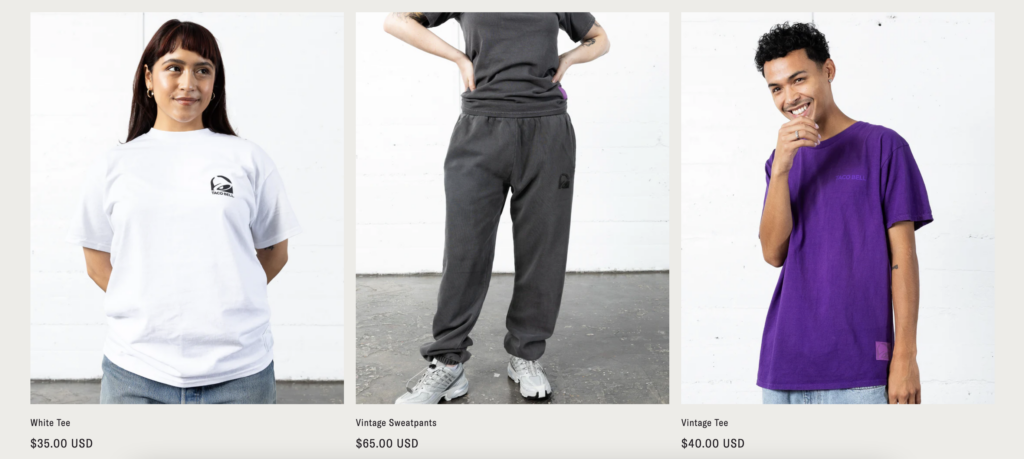
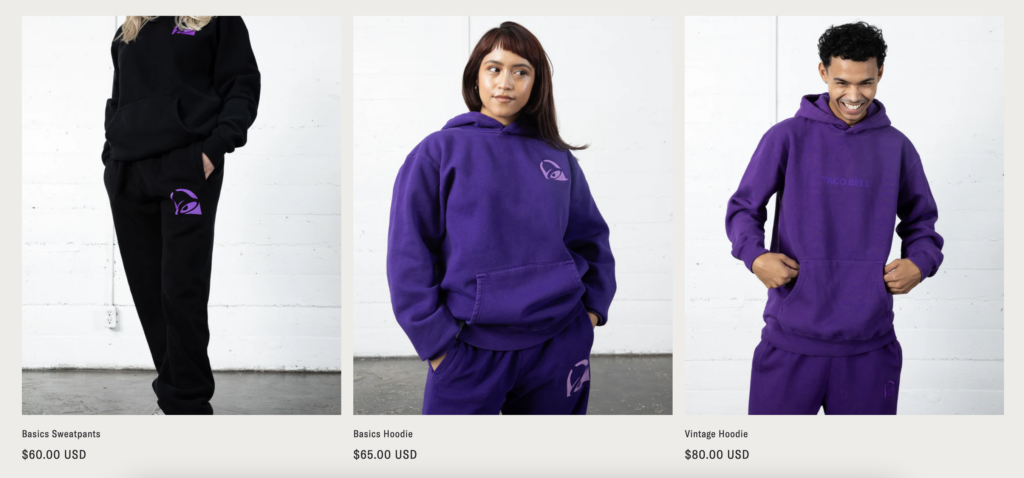
Kwik Trip’s company merch isn’t trying to convince people to care about the brand. Instead, it celebrates the small rituals and inside jokes people already associate with it.

That’s why their custom branded merchandise works.

It feels less like corporate swag and more like a badge of belonging.

Great Branded Merch Comes From Paying Attention

What Kwik Trip did right is something every brand can learn from.

They paid attention to what customers already loved:

  • The everyday rituals
  • The shared humor
  • The oddly specific traditions

Then they turned those moments into branded merchandise people actually want to wear and use.

That’s the secret behind the best promotional merchandise programs.

It’s not about printing your logo on a hoodie.

It’s about turning your brand’s culture into custom branded apparel and products that people recognize as part of their story.

Your Brand Can Do This Too

If you want your branded merch strategy to work, start by asking a different question.

Instead of:

“What merch should we make?”

Ask:

“What do people already love about our brand?”

The best company swag doesn’t create belonging.

It simply gives people a way to show it.

The Best Branded Merch I Ever Saw… Was From an Anal Bleaching Booth

By Amanda Hofman, Chief Swag Officer and Branded Merchandise Expert

A few years ago I was walking a beauty industry trade show, scanning booths and—of course—checking out everyone’s branded merch.

Then I saw it.

The best merch at the entire show.

From an anal bleaching booth.

Yes, really.

Shoutout to Bryght for making my day then and still now. If that’s your sense of humor, the rest of their promotional merchandise line is worth seeing.

But the moment stuck with me for a bigger reason: it was a perfect reminder that weird branded merch ideas can work.

The problem isn’t the weird idea.

The problem is how merch is usually produced.

The Minimum Order Problem in Branded Merch

Traditional custom branded merchandise usually comes with minimum order quantities.

That means if you want to try a creative or risky idea, you’re not ordering one or ten.

You’re ordering 80, 100, or 250 units.

Which is how brands end up with boxes of corporate swag sitting in storage because the joke didn’t land the way they hoped.

Weird ideas are fun to try.

They are much less fun when you’re stuck with a closet full of them.

Why Print-on-Demand Is Perfect for Experimental Merch

This is exactly where print-on-demand branded merch shines.

With print-on-demand merchandise, nothing is produced until someone actually orders it.

No guessing.
No inventory risk.
No leftover boxes of custom promotional products collecting dust.

Instead, you can list your most creative ideas in your company merch store and let the audience decide what works.

Let the Market Decide Your Best Merch

When brands use print-on-demand corporate merch, it changes the way ideas get tested.

Instead of asking:

“Will people like this enough to justify 100 units?”

You get to ask:

“Why not try it?”

Your audience will tell you what works by what they buy.

Worst case scenario?

No one orders it, and you delete the listing.

Best case?

You accidentally create your most memorable branded merch product.

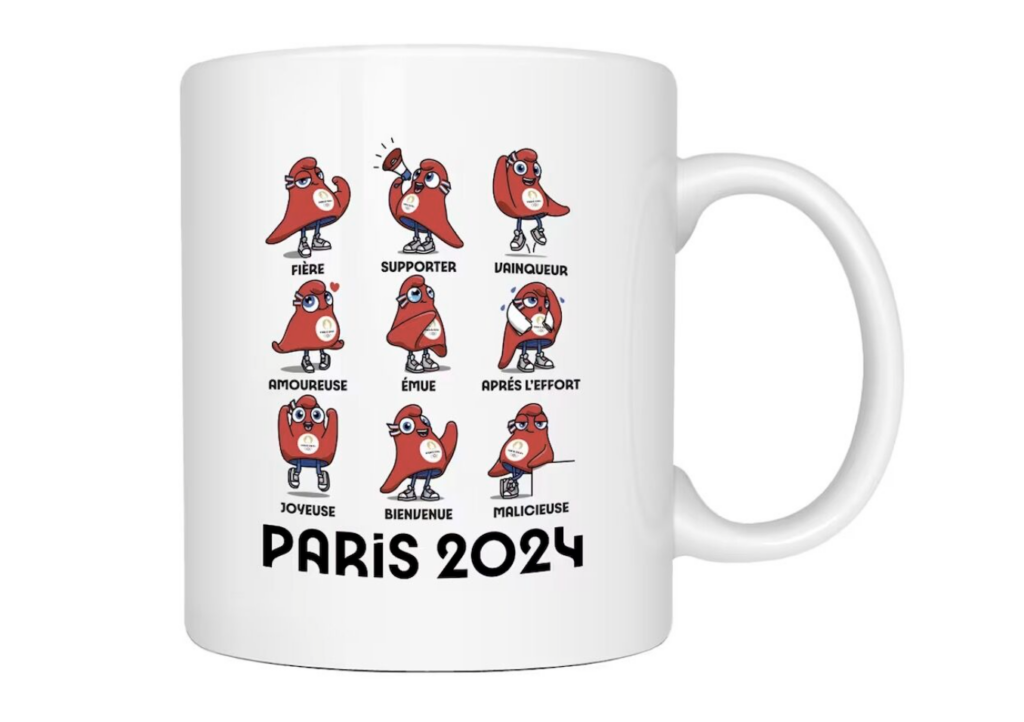
Maybe even a mug like this one. 🍑

Stop Sending Corporate Merch. Send a Gift Card Instead.

By Amanda Hofman, Chief Swag Officer and Branded Merchandise Expert

Most companies approach branded merch the same way: pick an item, print the logo, ship it out, and hope people like it.

Sometimes it works.

But more often? That corporate merch ends up sitting in a drawer, donated, or quietly forgotten.

There’s a better way to approach branded merchandise—and it gets a completely different reaction.

Stop Sending Corporate Merch. Send a Gift Card Instead.

Same budget.

Completely different experience.

When someone receives a branded merch gift card instead of a surprise box, something important happens: they get to choose.

Instead of guessing what someone might wear, recipients can browse a company swag store, explore the options, and pick something that actually fits their life.

That small shift turns corporate swag from a guessing game into a moment of ownership.

Why Choice Makes Branded Merch Better

When companies send custom branded merchandise without input, they’re making several guesses at once:

  • What size someone wears
  • What styles they like
  • What products they actually use
  • Whether they even want that category of item

Sometimes those guesses land.

But when they don’t, the result is familiar:

  • The wrong size branded hoodie sitting in a drawer
  • An awkward thank-you message followed by a quiet donation
  • A water bottle joining the pile of other water bottles

With a branded merch gift card, all of that disappears.

Recipients can take their time, browse a corporate merch shop, and select something they genuinely want to wear, use, or keep.

No wrong sizes.
No awkward guessing.
No unwanted swag.

Just branded merchandise people actually choose for themselves.

The Psychology Behind Merch Choice

Choice changes how people feel about company swag.

When someone selects their own custom branded apparel or promotional merchandise, it feels less like a corporate giveaway and more like a small shopping spree.

That moment of browsing, comparing, and adding something to the cart creates a sense of ownership.

And yes—your team, customers, or community essentially get a branded merch shopping experience.

Which is far more fun than opening a box and hoping it fits.

Let’s Be Honest About Gift Card Behavior

When people can choose their own branded merch, the reaction is completely different.

And that’s the whole point.

🚩 Branded Merch Red Flags 🚩

By Amanda Hofman, Chief Swag Officer and Branded Merchandise Expert

Branded merch should make people excited to rep your brand—not quietly shove the item into the back of a closet. Yet too often, branded merchandise misses the mark because too many stakeholders weigh in and no one owns the outcome.

Great branded merch is thoughtful, useful, and designed with the end user in mind. Bad branded merch? It’s memorable for all the wrong reasons.

Here are some branded merch red flags that signal your company swag might need a serious rethink.

1. A Logo Doing All the Talking

If your branded merchandise relies solely on a giant logo slapped across the front, it’s probably not something people will wear or use regularly. The best company swag subtly represents your brand while still feeling stylish and intentional.

2. A Slogan That Needs Explaining

If someone has to ask, “Wait, what does this mean?” your promotional merchandise has already failed its first test. Great branded merch communicates clearly and quickly.

3. A Tote Bag That Can’t Hold a Laptop

A tote bag that looks good but can’t hold everyday essentials isn’t useful—it’s clutter. The best branded tote bags are designed for real life: laptops, groceries, gym gear, and everything in between.

4. A Hoodie Designed by Committee

When ten stakeholders each add one “small tweak,” your custom branded hoodies can quickly turn into a design disaster. Strong branded merch needs a clear creative direction.

5. A Water Bottle Competing With Everyone’s Emotional-Support Stanley

Let’s be honest: people already have a favorite water bottle. If your branded water bottle doesn’t bring something unique—design, quality, or functionality—it’s unlikely to become part of someone’s daily routine.

6. A Tagline Cleared by Legal… and No One Else

When messaging gets watered down through endless approvals, the result is often bland corporate swag that feels more like a compliance exercise than a brand statement.\

7. A Hoodie Drawstring Long Enough to Double as a Jump Rope

Quality details matter. Oversized drawstrings, scratchy fabrics, and awkward fits are all signs your custom branded apparel wasn’t thoughtfully produced.

8. A Canvas Tote Stiff Enough to Defend Yourself With

If your custom tote bags feel like cardboard, people won’t want to carry them. Good branded merchandise should feel as good as it looks.

9. A QR Code That Leads to a 404 Page

If your merch sends people somewhere digitally, it better work. Broken links turn marketing merchandise into missed opportunities.

10. A “Limited Edition” Run That Never Sells Out

Scarcity only works if it’s real. When your limited-edition branded merch sticks around forever, the message loses credibility.

11. A Tote That Folds Into… Another Tote

We appreciate innovation—but sometimes promotional products try a little too hard.

12. A Hoodie With Six Different Fonts Because “They All Felt Right”

Typography chaos is a classic sign of branded merchandise without a clear design owner.

The Real Problem With Bad Branded Merch

Most bad branded merch isn’t created intentionally—it happens when merch becomes everyone’s job and no one’s job.

Great branded merchandise programs work best when someone owns the strategy, design, and product quality from start to finish. When merch is treated like a real brand experience—not an afterthought—you get items people actually want to wear, carry, and keep.

Because the goal of branded merch isn’t just visibility.

It’s affinity.

Which branded merch red flag bothers you the most? 👀

If Branded Merch Is “On the Back Burner,” It’s Already Burned ☠️

By Amanda Hofman, Chief Swag Officer and Branded Merchandise Expert

If your branded merch strategy is sitting on the back burner, it’s not simmering.

It’s burned.

Your calendar is never going to magically clear.
It has not once canceled itself to be nice.

Your team is not about to stumble into surplus capacity.
And you’re still going to need custom swag.

The Cost of Treating Promotional Products Like an Afterthought

When companies delay investing in branded merchandise, the pattern is predictable:

  • Rushed event merch orders
  • Overnight print runs with premium rush fees
  • Generic logo’d pens passed off as “corporate swag”
  • Boxes of leftover promotional items collecting dust

That’s not a branded merch strategy. That’s reactive ordering.

And reactive ordering is expensive — in both budget and brand equity.

The Brands That “Get Around to It Later”

The companies that push custom branded merchandise down the priority list are usually the same ones:

  • Ordering last-minute trade show giveaways
  • Settling for whatever product ships fastest
  • Missing opportunities for cohesive branded apparel
  • Treating swag like a checkbox instead of a growth channel

Meanwhile, brands that treat branded merch as part of their marketing strategy are building:

  • Stronger brand visibility
  • Better content (team photos, events, social proof)
  • More consistent company culture
  • Higher-quality custom promotional merchandise

If It Matters, Give It a Driver

Merch needs ownership.

If no one truly owns your company swag, it defaults to:

  • Whatever’s cheapest
  • Whatever’s fastest
  • Whatever’s easiest

And that’s how you end up with mismatched branded products and zero long-term strategy.

If branded merchandise supports your marketing, recruiting, events, client gifting, and company culture — it deserves a driver.

Outsource Your Branded Merch Strategy

One of the smartest moves growing brands make?
Outsourcing their custom swag program.

Hand it to someone with taste. With a point of view. With a strategy.

A strong branded merchandise partner can:

  • Plan ahead for events and campaigns
  • Source premium, on-brand products
  • Manage inventory and fulfillment
  • Eliminate rush fees and waste
  • Elevate your corporate swag beyond basic promo items

Then your internal team can focus on what they’re actually great at.

Because branded merch should amplify your brand — not drain your time.

Waiting Until You’re “Big Enough” for Branded Merch Is How You Stay Small

By Amanda Hofman, Chief Swag Officer and Branded Merchandise Expert

Waiting until you feel “big enough” to invest in branded merch is one of the fastest ways to stall your growth.

If you’re worried your company is too small for custom swag, that’s actually your signal that now is the time to launch it.

It sounds backwards. 🔄
(It’s just uncomfortable.)

Branded Merchandise Is Social Proof

Strong brands don’t wait for permission to look established.

Branded merchandise and promotional products create instant credibility. When people see your logo on high-quality custom apparel, company swag, or thoughtfully designed branded gifts, it signals:

  • You’re visible
  • You’re invested
  • You’re building something real

And visibility builds trust.

What Companies With Branded Merch Signal

Companies that invest in custom branded merch tend to:

→ Be more visible online and offline
→ Create stronger content (photos, events, social posts)
→ Look like a team — even if they’re small
→ Demonstrate commitment to their company culture

Whether it’s custom t-shirts, branded hoodies, logo water bottles, or premium corporate swag, merchandise makes your brand tangible.

And tangible brands feel bigger.

Custom Swag Fuels Marketing Momentum

Here’s what happens when you launch branded merchandise early:

  • Your team wears it in content and at events
  • Customers post about it organically
  • Your brand shows up in real life, not just on a website
  • You create community around shared identity

That’s not just swag — that’s brand marketing strategy.

The best promotional merchandise isn’t about volume. It’s about alignment. A well-designed piece of branded apparel can do more for your brand awareness than months of quiet posting.

If You Have a Logo, You’re Ready

You don’t need:

  • A massive following
  • A huge marketing budget
  • A 50-person team

If you have a logo and clear brand values, you’re ready for custom merch.

Branded swag isn’t a “we made it” milestone.
It’s a growth tool.

So don’t wait until you’re “big enough.”
Use branded merchandise to get there.

What was the first piece of swag you either made for your company or received from your company?

Why Podcasters Should Send Branded Merch Before the Episode Drops

By Amanda Hofman, Chief Swag Officer and Branded Merchandise Expert

Most podcasters send a gift or branded merch after the episode goes live.
That’s backwards. ⏮️ Send it before.

If you’re investing time in booking great guests, promoting episodes, and growing your audience, your podcast branded merchandise strategy should work just as hard as your marketing plan.

Imagine This:

Your guest receives a package a few days before recording.

Inside?
Premium, on-brand custom swag — a hoodie or tee that feels like it came straight from their own closet. High-quality. Thoughtful. Totally wearable.

Now imagine what happens next:

  • They wear it during the recording.
  • They post about the episode in it.
  • They tag your show organically.
  • They keep wearing it long after the episode link stops circulating.

That’s not just a gift.
That’s strategic branded merch marketing.

Before. During. After.

Sending custom podcast merch before recording creates momentum at every stage:

🔹 Before the Episode

Your guest feels valued and prepared. They’re already repping your brand before they hit record.

🔹 During the Episode

Your logo, brand colors, and vibe are visible on camera — especially important for video podcasts on YouTube, LinkedIn, and social platforms.

🔹 After the Episode

Your guest continues wearing the swag in their daily life, on social posts, and at events. That’s long-tail brand visibility without paid ads.

This is how promotional products move from transactional giveaways to identity-driven brand building.

Branded Merchandise That Builds Community

The best custom swag doesn’t scream “corporate merch.” It feels premium. Intentional. Designed.

When your guest looks good, feels comfortable, and genuinely likes the piece, your branded apparel becomes part of their rotation — and part of your community’s identity.

That’s when branded merchandise stops being:

  • A thank-you gift
  • A one-time promo item
  • A box to check

And starts becoming:

  • A relationship builder
  • A repeat visibility engine
  • A community signal

Smart brands use custom promotional merchandise not just to thank guests — but to extend their reach organically.

So here’s the real question:

What podcast do you never miss an episode of?

Your Employees Do Not Want the Same Branded Merchandise in 2026

By Amanda Hofman, Chief Swag Officer and Branded Merchandise Expert

I’m going to tell you something you probably don’t want to hear:

Your employees, team members, and fans do not want the same branded merchandise in 2026 that they got from you in 2025.

Or 2024.
And definitely not 2023.

If your swag strategy is on autopilot, your audience can feel it.

And here’s the truth:

Merch boredom is real. And it’s self-inflicted.

The Problem With Repeating the Same Swag Every Year

Too many companies treat branded merchandise like a checklist:

  • Reorder the same mugs
  • Reprint the same tote bags
  • Restock the same logo tees
  • Swap the year and call it “new”

But branded merch isn’t office supplies.

It’s a brand experience.

When your audience keeps receiving copies of the same promo items year after year, your swag stops feeling thoughtful — and starts feeling forgettable.

2025 swag is already last year.

If your corporate swag program hasn’t evolved, neither has your brand presence.

The Fastest Way to Fix Swag Boredom

Here’s the fastest way out of stale branded merchandise:

1. Stop Just Putting Logos on Stuff

Putting your logo on a product is not a strategy.

It’s the bare minimum.

Logo-only swag is predictable. It’s been done. Everyone already has it.

If your entire branded merchandise strategy is:

“Take item. Add logo.”

You’re going to keep producing items that end up in drawers, donation bins, or the back of someone’s closet.

Modern swag requires more than a logo stamp.

It requires intention.

2. Design Merch the Way You Design Everything Else

You wouldn’t launch:

  • A website without a designer
  • A campaign without brand guidelines
  • A product without thoughtful UX

So why treat your branded merchandise differently?

Swag should reflect your:

  • Brand personality
  • Voice and tone
  • Visual identity
  • Cultural relevance
  • Community

Design your merch the same way you design the rest of your business — with care, creativity, and a real designer involved.

The best branded merchandise feels like a brand extension, not a giveaway.

3. Don’t Print Anything You Wouldn’t Wear Yourself

This is the simplest rule in swag strategy:

If you wouldn’t be genuinely excited to wear it, don’t make it.

If you’d leave it in a drawer…

So will they.

Great swag creates demand. It sparks conversations. It gets posted on social media organically.

It doesn’t feel like “free stuff.” It feels like something you scored.

Your Branded Merchandise Should Evolve Every Year

Your brand evolves.

Your audience evolves.

Design trends evolve.

Your branded merchandise and swag should evolve too.

That doesn’t mean chasing trends blindly. It means refreshing:

  • Silhouettes
  • Materials
  • Color palettes
  • Graphics
  • Messaging
  • Product categories

The brands that win with swag treat it like a seasonal drop — not a warehouse reorder.

Give Your People Something They’d Actually Fight Over

The goal isn’t to distribute more items.

It’s to create branded merchandise people would actually bang down the door to wear.

That’s how you turn:

  • Employees into ambassadors
  • Customers into fans
  • Fans into community

And that’s how swag becomes one of your most powerful brand-building tools.

So let me ask you:

How many times have you received repeat swag from the same company?

Another mug.
Another tote.
Another hat.

Did you keep it? Or did it quietly join the pile?

If that’s happening to you, it’s happening to your audience too.

It might be time to rethink your branded merchandise strategy.

If Branded Merchandise Is “On the Back Burner,” It’s Already Burned

By Amanda Hofman, Chief Swag Officer and Branded Merchandise Expert

Let’s be honest.

If your branded merchandise strategy is sitting on the back burner… it’s not warming gently.

It’s already burned. ☠️

Because here’s what we know:

Your calendar is never going to magically clear.
It has not once canceled itself to be nice.

Your team is not about to stumble into surplus capacity.
And yet — you’re still going to need swag.

“We’ll Get to the Swag Later” Is Not a Strategy

The brands that say they’ll “circle back to merch next quarter” are usually the same ones:

  • Ordering logo’d pens two weeks before an event
  • Paying for overnight print runs
  • Settling for whatever inventory is left
  • Calling rushed decisions a “branded merchandise strategy”

That’s not strategy.

That’s survival mode.

And survival mode is expensive.

What Happens When You Don’t Plan Your Swag

When branded merchandise is reactive instead of intentional, you get:

  • 🚨 Rushed event orders
  • 💸 Expedited shipping fees
  • 📦 Boxes of leftover swag living under someone’s desk
  • 😬 Generic promo items that don’t reflect your brand
  • 🤷 A missed opportunity to build real brand equity

Swag is often one of the first physical touchpoints someone has with your company.

Why treat it like an afterthought?

Great Branded Merchandise Requires a Driver

If it matters, give it a driver.

Branded merchandise touches marketing, HR, recruiting, sales, events, partnerships, and culture.

But when it “belongs to everyone,” it effectively belongs to no one.

That’s how it gets deprioritized.

That’s how it ends up on the back burner.

And that’s how you burn budget on forgettable swag.

Outsource Your Swag (Yes, Really)

Your team already has a job.

They are great at what they do.

Designing, sourcing, forecasting, managing inventory, coordinating print timelines, and building a cohesive swag strategy? That’s a full-time skill set.

Outsource your branded merchandise to someone with:

  • Taste
  • A strong point of view
  • Vendor relationships
  • Operational systems
  • And an actual strategy for your swag

Then let your team focus on what they’re actually great at.

Branded Merchandise Should Drive Brand Growth — Not Chaos

When done well, swag:

  • Supports campaign launches
  • Elevates event marketing
  • Strengthens company culture
  • Improves onboarding experiences
  • Creates organic social content
  • Extends your brand visibility

But it only works if it’s intentional.

Branded merchandise isn’t a last-minute task.

It’s a brand-building channel.

And if it’s sitting on the back burner?

It’s already costing you more than you think.

Waiting Until You’re “Big Enough” for Branded Merchandise Is How You Stay Small

By Amanda Hofman, Chief Swag Officer and Branded Merchandise Expert

If you’ve ever thought…

“We’re too small for swag.”
“Merch is for bigger companies.”
“We’ll do branded merchandise once we grow.”

I get it. It feels logical.

But here’s the truth:

Waiting until you’re “big enough” for merch is exactly how you stay small.

The Best Time to Invest in Swag Is Before You Feel Ready

If you worry you’re too early-stage, too scrappy, or too small of a team to have branded merch…

That’s actually your signal that now is the perfect time.

That might sound backwards, but it’s not. 🔄
(It’s just uncomfortable.)

Branded merchandise isn’t something you earn once you’ve “made it.”

It’s something that helps you get there.

Branded Merch Creates Social Proof and Visibility

Great swag isn’t just a hoodie or a tote bag.

It’s a marketing engine.

Companies that invest in branded merchandise:

→ Are more visible in the world
→ Create better content opportunities
→ Look more established (even if they’re lean)
→ Build team culture from day one
→ Show commitment to their brand values

Swag is walking, talking social proof.

Every time someone wears your logo, your brand shows up.

Swag Is the Starting Point for Getting Your Name Out There

Branded merch is one of the simplest ways to start building awareness.

It gets your company into conversations, into photos, into everyday life.

And you don’t need to be a household name to start.

If you’ve got:

  • A logo
  • A mission
  • A few brand values
  • A desire to be remembered

…you’re ready to create swag.

Merch Helps Small Companies Look Like Big Companies

One of the most underrated benefits of branded merchandise?

It makes your company feel real.

Even if you’re only five people.

Even if you’re pre-launch.

Even if you’re still figuring it out.

Swag signals:

We’re here. We’re building. We’re serious.

Your Brand Deserves to Be Seen

Don’t wait until you’re “big enough.”

Branded merch is how you get visible, build culture, and grow your presence faster.

Start small. Start smart. Start now.