The Logo Swap Test: A Simple Way to See If Your Branded Merch Actually Works

By Amanda Hofman, Chief Swag Officer and Branded Merchandise Expert
If you’re investing in branded merchandise, here’s a quick gut-check that separates memorable merch from forgettable swag:

The Logo Swap Test.

In your mind, swap your logo with another company’s—ideally a competitor.

Now ask yourself:
Would this merch still work?

If the answer is yes… that’s a problem.

Why Most Branded Merchandise Falls Flat

A lot of branded merch today is built from the same predictable playbook:

  • Safe apparel choices
  • Generic color palettes
  • Standard logo placements
  • “Brand 101” catalog picks

And the result?
Merch that looks interchangeable.

If your only differentiator is your logo, you don’t have a strong branded merch strategy—you have a stamp.

What Great Branded Merch Actually Does

The best branded merchandise doesn’t rely on a logo to carry it. It’s recognizable without it.

Think about what makes merch truly stand out:

  • Color choices that feel uniquely tied to your brand
  • Fit and style that match your audience and identity
  • Design details that reflect your voice and personality
  • Overall vibe that feels cohesive and intentional

When done right, someone should look at your merch and immediately think:
“Oh yeah, that’s definitely them.”

That’s brand recognition. That’s impact.

Branded Merch Strategy: Beyond the Logo

If you want your corporate swag to actually work for you (and not just exist), you need to think bigger than slapping a logo on a hoodie.

Strong branded merch should:

  • Reinforce your brand identity
  • Create emotional connection
  • Be something people want to wear or use
  • Stand on its own—even without your logo

Because great merch doesn’t need to shout your name.
It shows it.

Why Print-on-Demand Stuffed Animals Might Be Your Most Effective Branded Merch Yet

By Amanda Hofman, Chief Swag Officer and Branded Merchandise Expert

Print-on-demand stuffed animals for swag are wildly underrated. 🧸🐰🐯🦄

Seriously—this might be one of the most overlooked opportunities in branded merchandise right now.

The Unexpected Power of Plush Branded Merch

Here’s the thing about most corporate swag:

It looks branded.
It feels branded.
And people treat it like… branded stuff.

Stuffed animals? Completely different story.

Even when they’re literally wearing your logo, they don’t register the same way.

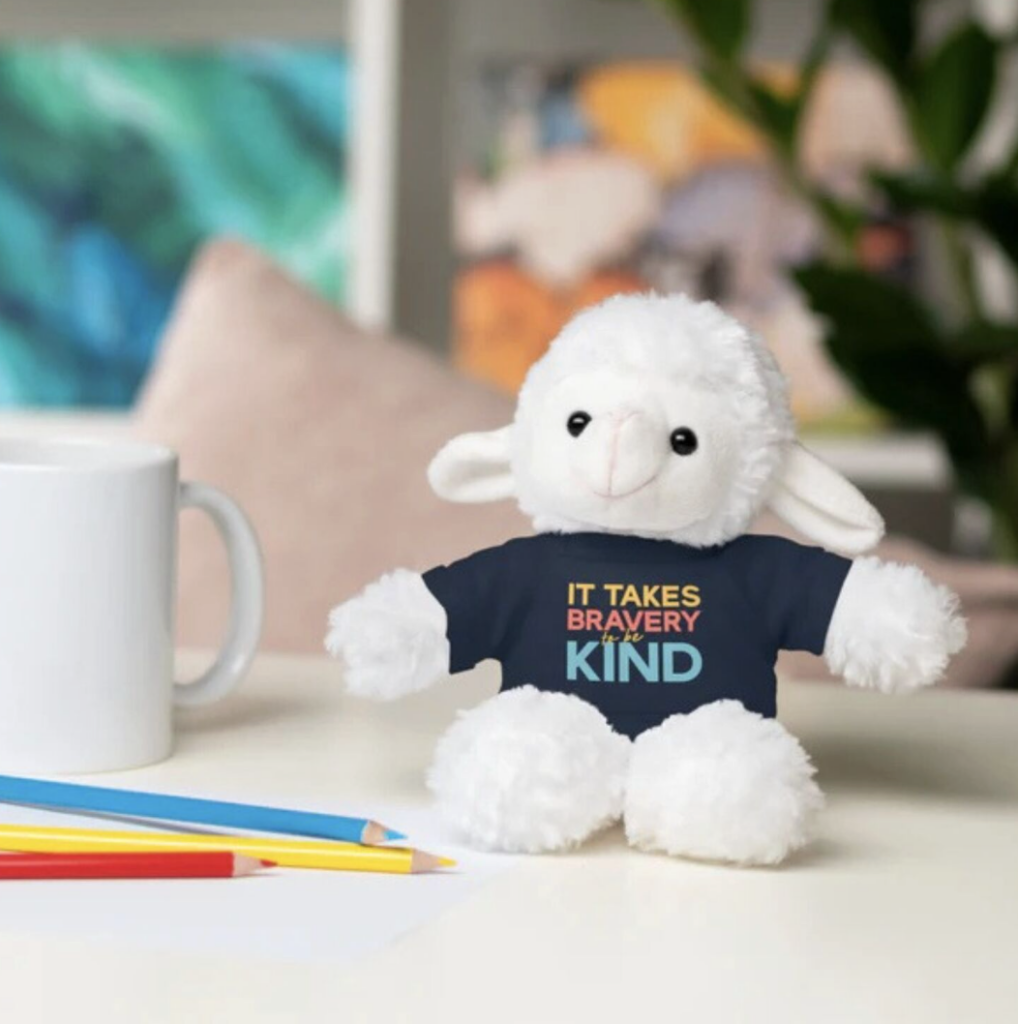
It’s just a tiny t-shirt. On a panda. Or a lamb. Or a tiger.

And something magical happens in people’s brains:

“Oh hello, little guy.”

That’s it. Guard down. Instant emotional connection.

Why Stuffed Animals Work So Well for Branding

Branded stuffed animals hit a sweet spot that most promotional products miss:

1. They Don’t Feel Like Marketing

Unlike typical promotional products, plush merch doesn’t scream “corporate swag.”

Instead, it feels:

  • Personal
  • Playful
  • Unexpected

Which makes people actually want to keep it.

2. They Create Emotional Attachment

You’re not just giving away an item—you’re giving away something people anthropomorphize.

That means:

  • It stays on desks
  • It shows up in Zoom backgrounds
  • It ends up in kids’ rooms
  • It becomes part of someone’s daily environment

That’s long-term brand visibility you can’t buy with a pen.

3. They’re Subtle—but Memorable Branding

The real magic is in the detail:

They’re wearing your brand. Adorably.

Not loud. Not forced. Just present.

And because of that, your logo gets:

  • Seen more often
  • Associated with positive эмоtions
  • Remembered longer

The Print-on-Demand Advantage for Custom Plush Merch

Let’s talk logistics—because this is where most swag programs fall apart.

With traditional merchandise, you’re stuck:

  • Guessing quantities
  • Managing inventory
  • Dealing with leftover stock

With print-on-demand stuffed animals, all of that disappears.

You get:

  • No minimums
  • No storage closets full of merch
  • No boxes of sad leftovers

Nothing is created until someone actually wants it.

That means you can offer fun, creative options—without the operational headache.

Where Branded Stuffed Animals Actually Show Up

One of the biggest advantages of plush merch? Longevity and placement.

These aren’t items that disappear into a drawer.

They show up:

  • On office desks
  • In home workspaces
  • In the background of important Zoom calls
  • In employees’ homes (and their kids’ lives)

That’s consistent, organic brand exposure in places most swag never reaches.

Why No One Takes Them Seriously (And Why You Should)

Here’s the funny part:

Stuffed animals are quietly outperforming half the branded merch out there…

…and most companies still don’t take them seriously.

They feel too playful. Too different. Too “not corporate enough.”

Which is exactly why they work.

While everyone else is ordering the same safe, forgettable items, you have the opportunity to create something:

  • Memorable
  • Shareable
  • Actually loved

Final Take: The Best Branded Merch Doesn’t Feel Like Merch

If your goal is to create branded merchandise that people keep, display, and connect with

You need to think beyond the usual.

Print-on-demand stuffed animals check every box:

  • High emotional value
  • Low operational risk
  • Strong brand visibility
  • Completely unexpected

And sometimes, that’s exactly what makes them work.

Stop Designing Swag for Everyone: Why Choice Is the Future of Branded Merch

By Amanda Hofman, Chief Swag Officer and Branded Merchandise Expert

When you design the same thing for everyone, you end up with merch no one cares about. It’s a hard truth—but one most brands learn the expensive way.

The Biggest Mistake in Branded Merch Strategy

Most companies approach branded merchandise by asking one question:

“What’s the most useful thing we can give to the most people?”

On paper, it sounds efficient. Strategic, even.

In reality? It’s exactly how you end up with forgettable swag:

  • Generic pens
  • Basic baseball hats
  • Beige tote bags

Sure, they technically “work” for everyone. But they don’t matter to anyone.

And that’s the real problem.

Why One-Size-Fits-All Swag Fails

The traditional approach to corporate swag is rooted in mass appeal. But in today’s world of personalization and brand storytelling, that approach is outdated.

When you create one design for everyone, you:

  • Dilute your brand identity
  • Lower perceived value
  • Increase waste (hello, landfill swag 👀)
  • Miss the opportunity to create real emotional connection

Great branded merch isn’t about utility—it’s about desirability.

The Shift: Personalized Branded Merchandise

The fix is surprisingly simple—and wildly underused:

Give people a choice.

Instead of forcing one item on everyone, offer a curated selection of branded merchandise that people actually want.

Think:

  • A hoodie in their actual size
  • A hat they’d wear every day
  • Apparel that fits their personal style—not just your brand guidelines

This is how merch moves from “free stuff” to favorite item in their closet.

How Print-on-Demand Changes the Game

One of the biggest barriers to better swag used to be logistics: inventory, sizing, forecasting.

That’s where print-on-demand branded merch comes in.

With print-on-demand:

  • Nothing is produced until someone orders it
  • You eliminate overstock and waste
  • You don’t have to guess what people want
  • You can offer more variety without more risk

It’s a smarter, more sustainable way to scale corporate swag programs—especially for remote teams, events, and global audiences.

Why Better Swag = Better Brand Impact

When people choose merch they actually like, a few powerful things happen:

  • They wear it more often
  • Your brand gets more visibility
  • The item holds real emotional value
  • Your company feels more thoughtful and premium

That’s the difference between branded merchandise that gets tossed and merch that becomes part of someone’s daily life.

A Quick Reality Check

Confession time:

Have you ever “borrowed” a hoodie so good it never made it back? 😏

Exactly.

That’s the level of merch you should be aiming for.


Final Thoughts: Stop Designing for Everyone

If your branded merch strategy is built around pleasing the masses, you’ll keep getting mediocre results.

Instead:

  • Design for choice
  • Optimize for personal preference
  • Use print-on-demand to remove guesswork

Because the goal isn’t to create something everyone can use.

It’s to create something people actually want.

What Early 2000s Reality TV Teaches Us About Branding and Cultural Shifts

By Amanda Hofman, Chief Swag Officer and Branded Merchandise Expert

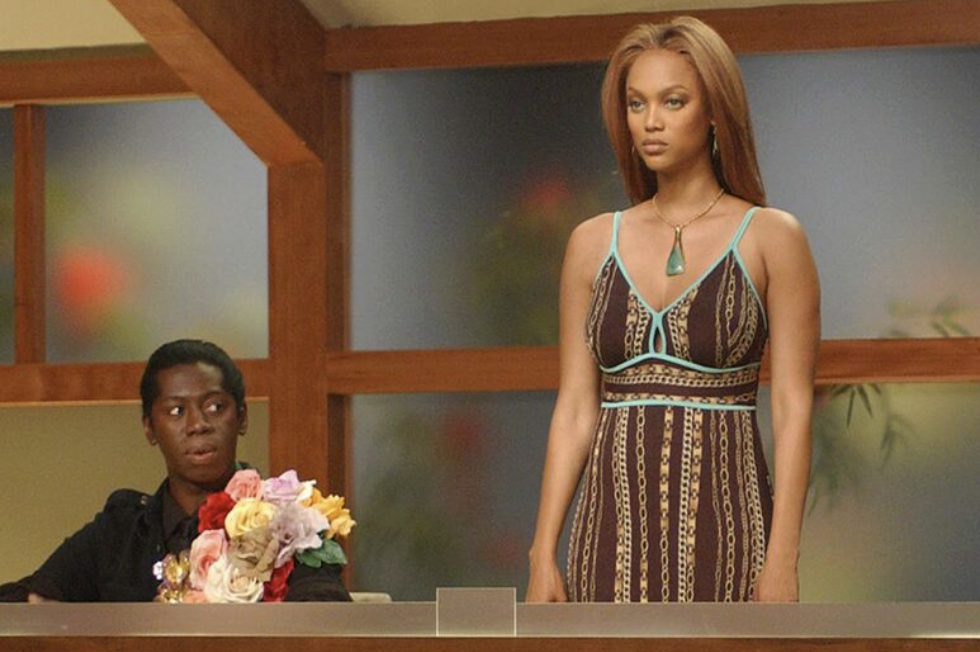
Are you watching the Reality Check: Inside America’s Next Top Model documentary on Netflix? If you’re not, you are dismissed. (You are no longer in the running to be America’s Next Top Model. 👀)

But if you watched America’s Next Top Model (ANTM) when it originally aired, seeing it again through 2026 eyes is a completely different experience.

I’ve been watching clips and sitting there in total disbelief.

And it’s not just ANTM. I recently watched the Biggest Loser documentary, and I had the same reaction:

🚩 …we watched this?
🚩🚩 Weekly?
🚩🚩🚩 And the entire country apparently agreed this was fine?

The early 2000s were absolute lawless reality TV.

Judges would stare someone dead in the eye and dismantle their entire sense of self on national television… while the rest of us sat on the couch eating snacks.

I’m not even judging the shows as much as I’m judging my younger self for not thinking twice about it.

Like ma’am.

Why did you think this was fine?

What This Has to Do With Branding (and Yes, Even Branded Merch)

Watching these documentaries now highlights something fascinating: culture evolves faster than brands think it does.

What felt normal in 2005 feels shocking in 2026.

And this matters a lot for brands creating branded merchandise, promotional swag, and marketing campaigns.

Because the same rule applies:

What resonates with audiences today might age very differently tomorrow.

Great brands—and great branded merch strategies—pay attention to these shifts.

Culture Drives the Best Branded Merchandise

The best custom swag and branded merchandise reflects the moment your audience is living in.

Early 2000s reality TV was built around shock value, harsh critiques, and “tough love.” That tone dominated pop culture.

Today’s audiences respond more to brands that feel:

  • Self-aware
  • Playful
  • Inclusive
  • Human

This is why modern branded merch often leans into humor, nostalgia, or internet culture instead of authority or perfection.

The most successful swag and promotional merchandise today feels like something a fan would choose to wear—not something that feels corporate.

Nostalgia Is a Powerful Marketing Tool

One of the reasons these documentaries are exploding right now is nostalgia.

People who watched these shows 15–20 years ago are revisiting them with a new perspective.

That same nostalgia fuels some of the most successful branded swag campaigns today.

Think about:

  • Throwback designs
  • Retro product references
  • Inside jokes from earlier brand eras
  • Limited-edition merch tied to cultural moments

When brands tap into shared memories, their promotional merchandise becomes instantly relatable.

A Simple Question for Marketers and Merch Teams

Watching old reality TV makes you ask a weirdly useful question for marketing:

What are we doing right now that future audiences will look back on and say, “Wait… we thought this was normal?”

The smartest brands stay curious about culture as it shifts.

Because the same awareness that shapes great marketing also shapes great branded merchandise and swag.

And sometimes the best insights come from looking back at what we used to think was totally fine.

Crinkle-Cut French Fry Skis: When Branded Merch Gets Deliciously Weird

By Amanda Hofman, Chief Swag Officer and Branded Merchandise Expert

Crinkle-cut French fry skis. 🎿🍟

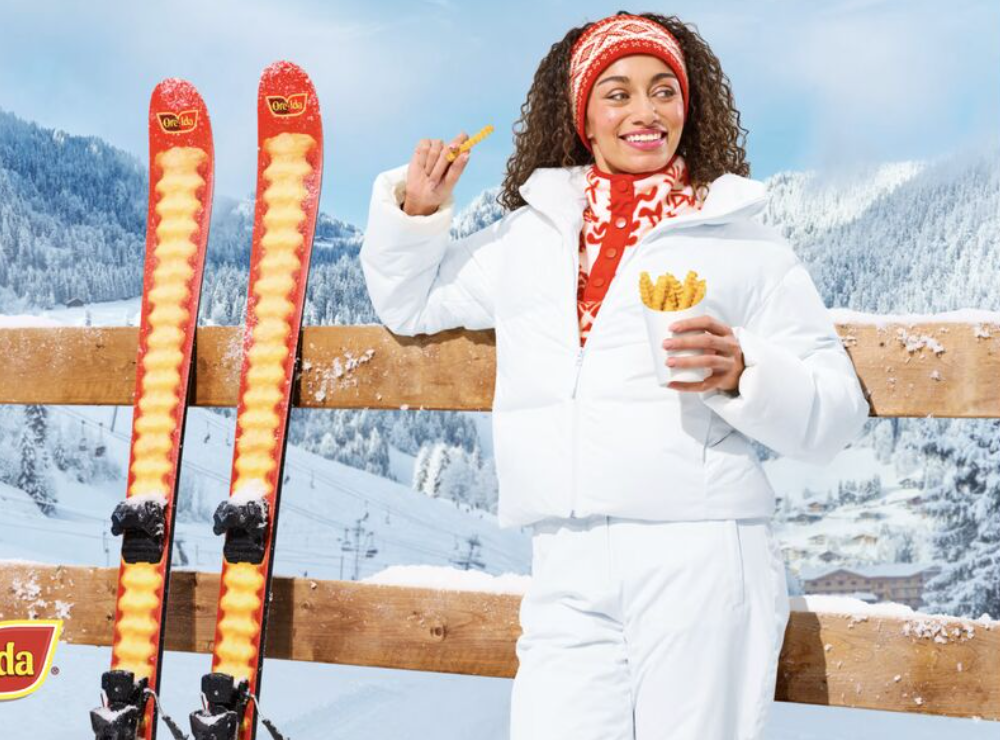
Those words have absolutely no business being in the same sentence together—and yet here we are, thanks to Ore-Ida Foods, Inc. and Fischer Sports.

Ore-Ida took one of its most iconic products—the crinkle-cut fry—and turned it into actual skis you can buy. Yes, real skis. With crinkle-cut fry graphics running down the length.

And honestly? It’s kind of perfect.

If someone flew past me on the mountain wearing crinkle-cut fry skis, you better believe I’m following them straight to the lodge. We’re having lunch together. Non-optional.

That’s the power of great branded merch.

Why Food Brands Win at Branded Merchandise

Food brands have a huge advantage when it comes to swag and promotional merchandise: people already have strong emotional connections to the product.

When fans already love what you make, the merch practically sells itself.

Ore-Ida didn’t overthink it. They didn’t try to make something subtle or overly clever. They took their most recognizable product and made it absurdly literal:

Fries. On skis.

The merch does all the talking.

That’s often the secret to great brand merchandise and promotional swag—lean into what people already love about your brand and amplify it.

The Best Branded Swag Is Bold (and a Little Ridiculous)

Great branded merchandise ideas usually share one thing in common: they’re memorable.

Nobody talks about another safe tote bag.

But French fry skis? That’s merch people will photograph, post, and talk about all season long.

Bold merch works because it creates:

  • Instant brand recognition
  • Social media buzz
  • A strong emotional reaction (usually laughter or delight)
  • Shareable moments that extend your marketing reach

In other words, the swag becomes the marketing.

A Lesson for Brands Creating Promotional Merchandise

If you’re designing branded swag for your company, this campaign should give you permission to go bigger.

Your merch doesn’t have to be boring. It can be:

  • Unexpected
  • Playful
  • Hyper-specific to your product
  • A little bit ridiculous

The right piece of branded merchandise turns fans into walking billboards—and sometimes, skiing ones.

So next time you’re brainstorming custom swag ideas, ask yourself:

What would our brand look like if we went all in?

Because sometimes the best answer is surprisingly simple.

Fries.
On skis.

Important Question: Fry Energy Check 🍟

What’s your fry personality?

🍟 Crinkle
🍟 Shoestring
🍟 Waffle
🍟 Curly

Choose wisely. Your merch strategy may depend on it.

What Kwik Trip Gets Right About Branded Merch

By Amanda Hofman, Chief Swag Officer and Branded Merchandise Expert

Let’s talk about Kwik Trip.

I grew up in New Jersey and live in New York. I have never set foot in a Kwik Trip, Inc. location.

But if there’s one thing I trust, it’s the passion of Beth Stowell Reed — and she swears this Wisconsin roadside grocery store is magic.

Not just gas-and-go convenience store magic.

Something bigger.

According to Beth, Kwik Trip is the kind of place where:

  • The bathrooms are so clean they feel like a public service
  • Cashiers say “see you next time” and actually mean it
  • Bananas, donuts, and take-and-bake pizzas become family traditions
  • People literally have weddings there

At that point, you’re not talking about a gas station anymore.

You’re talking about a place that becomes a supporting character in people’s lives.

And that’s where branded merch gets interesting.

Kwik Trip’s Merch Works Because the Loyalty Already Exists

The best branded merchandise doesn’t try to manufacture loyalty.

It reflects loyalty that’s already there.

Kwik Trip’s company merch isn’t trying to convince people to care about the brand. Instead, it celebrates the small rituals and inside jokes people already associate with it.

That’s why their custom branded merchandise works.

It feels less like corporate swag and more like a badge of belonging.

Great Branded Merch Comes From Paying Attention

What Kwik Trip did right is something every brand can learn from.

They paid attention to what customers already loved:

  • The everyday rituals
  • The shared humor
  • The oddly specific traditions

Then they turned those moments into branded merchandise people actually want to wear and use.

That’s the secret behind the best promotional merchandise programs.

It’s not about printing your logo on a hoodie.

It’s about turning your brand’s culture into custom branded apparel and products that people recognize as part of their story.

Your Brand Can Do This Too

If you want your branded merch strategy to work, start by asking a different question.

Instead of:

“What merch should we make?”

Ask:

“What do people already love about our brand?”

The best company swag doesn’t create belonging.

It simply gives people a way to show it.

The Best Branded Merch I Ever Saw… Was From an Anal Bleaching Booth

By Amanda Hofman, Chief Swag Officer and Branded Merchandise Expert

A few years ago I was walking a beauty industry trade show, scanning booths and—of course—checking out everyone’s branded merch.

Then I saw it.

The best merch at the entire show.

From an anal bleaching booth.

Yes, really.

Shoutout to Bryght for making my day then and still now. If that’s your sense of humor, the rest of their promotional merchandise line is worth seeing.

But the moment stuck with me for a bigger reason: it was a perfect reminder that weird branded merch ideas can work.

The problem isn’t the weird idea.

The problem is how merch is usually produced.

The Minimum Order Problem in Branded Merch

Traditional custom branded merchandise usually comes with minimum order quantities.

That means if you want to try a creative or risky idea, you’re not ordering one or ten.

You’re ordering 80, 100, or 250 units.

Which is how brands end up with boxes of corporate swag sitting in storage because the joke didn’t land the way they hoped.

Weird ideas are fun to try.

They are much less fun when you’re stuck with a closet full of them.

Why Print-on-Demand Is Perfect for Experimental Merch

This is exactly where print-on-demand branded merch shines.

With print-on-demand merchandise, nothing is produced until someone actually orders it.

No guessing.
No inventory risk.
No leftover boxes of custom promotional products collecting dust.

Instead, you can list your most creative ideas in your company merch store and let the audience decide what works.

Let the Market Decide Your Best Merch

When brands use print-on-demand corporate merch, it changes the way ideas get tested.

Instead of asking:

“Will people like this enough to justify 100 units?”

You get to ask:

“Why not try it?”

Your audience will tell you what works by what they buy.

Worst case scenario?

No one orders it, and you delete the listing.

Best case?

You accidentally create your most memorable branded merch product.

Maybe even a mug like this one. 🍑

Stop Sending Corporate Merch. Send a Gift Card Instead.

By Amanda Hofman, Chief Swag Officer and Branded Merchandise Expert

Most companies approach branded merch the same way: pick an item, print the logo, ship it out, and hope people like it.

Sometimes it works.

But more often? That corporate merch ends up sitting in a drawer, donated, or quietly forgotten.

There’s a better way to approach branded merchandise—and it gets a completely different reaction.

Stop Sending Corporate Merch. Send a Gift Card Instead.

Same budget.

Completely different experience.

When someone receives a branded merch gift card instead of a surprise box, something important happens: they get to choose.

Instead of guessing what someone might wear, recipients can browse a company swag store, explore the options, and pick something that actually fits their life.

That small shift turns corporate swag from a guessing game into a moment of ownership.

Why Choice Makes Branded Merch Better

When companies send custom branded merchandise without input, they’re making several guesses at once:

  • What size someone wears
  • What styles they like
  • What products they actually use
  • Whether they even want that category of item

Sometimes those guesses land.

But when they don’t, the result is familiar:

  • The wrong size branded hoodie sitting in a drawer
  • An awkward thank-you message followed by a quiet donation
  • A water bottle joining the pile of other water bottles

With a branded merch gift card, all of that disappears.

Recipients can take their time, browse a corporate merch shop, and select something they genuinely want to wear, use, or keep.

No wrong sizes.
No awkward guessing.
No unwanted swag.

Just branded merchandise people actually choose for themselves.

The Psychology Behind Merch Choice

Choice changes how people feel about company swag.

When someone selects their own custom branded apparel or promotional merchandise, it feels less like a corporate giveaway and more like a small shopping spree.

That moment of browsing, comparing, and adding something to the cart creates a sense of ownership.

And yes—your team, customers, or community essentially get a branded merch shopping experience.

Which is far more fun than opening a box and hoping it fits.

Let’s Be Honest About Gift Card Behavior

When people can choose their own branded merch, the reaction is completely different.

And that’s the whole point.

🚩 Branded Merch Red Flags 🚩

By Amanda Hofman, Chief Swag Officer and Branded Merchandise Expert

Branded merch should make people excited to rep your brand—not quietly shove the item into the back of a closet. Yet too often, branded merchandise misses the mark because too many stakeholders weigh in and no one owns the outcome.

Great branded merch is thoughtful, useful, and designed with the end user in mind. Bad branded merch? It’s memorable for all the wrong reasons.

Here are some branded merch red flags that signal your company swag might need a serious rethink.

1. A Logo Doing All the Talking

If your branded merchandise relies solely on a giant logo slapped across the front, it’s probably not something people will wear or use regularly. The best company swag subtly represents your brand while still feeling stylish and intentional.

2. A Slogan That Needs Explaining

If someone has to ask, “Wait, what does this mean?” your promotional merchandise has already failed its first test. Great branded merch communicates clearly and quickly.

3. A Tote Bag That Can’t Hold a Laptop

A tote bag that looks good but can’t hold everyday essentials isn’t useful—it’s clutter. The best branded tote bags are designed for real life: laptops, groceries, gym gear, and everything in between.

4. A Hoodie Designed by Committee

When ten stakeholders each add one “small tweak,” your custom branded hoodies can quickly turn into a design disaster. Strong branded merch needs a clear creative direction.

5. A Water Bottle Competing With Everyone’s Emotional-Support Stanley

Let’s be honest: people already have a favorite water bottle. If your branded water bottle doesn’t bring something unique—design, quality, or functionality—it’s unlikely to become part of someone’s daily routine.

6. A Tagline Cleared by Legal… and No One Else

When messaging gets watered down through endless approvals, the result is often bland corporate swag that feels more like a compliance exercise than a brand statement.\

7. A Hoodie Drawstring Long Enough to Double as a Jump Rope

Quality details matter. Oversized drawstrings, scratchy fabrics, and awkward fits are all signs your custom branded apparel wasn’t thoughtfully produced.

8. A Canvas Tote Stiff Enough to Defend Yourself With

If your custom tote bags feel like cardboard, people won’t want to carry them. Good branded merchandise should feel as good as it looks.

9. A QR Code That Leads to a 404 Page

If your merch sends people somewhere digitally, it better work. Broken links turn marketing merchandise into missed opportunities.

10. A “Limited Edition” Run That Never Sells Out

Scarcity only works if it’s real. When your limited-edition branded merch sticks around forever, the message loses credibility.

11. A Tote That Folds Into… Another Tote

We appreciate innovation—but sometimes promotional products try a little too hard.

12. A Hoodie With Six Different Fonts Because “They All Felt Right”

Typography chaos is a classic sign of branded merchandise without a clear design owner.

The Real Problem With Bad Branded Merch

Most bad branded merch isn’t created intentionally—it happens when merch becomes everyone’s job and no one’s job.

Great branded merchandise programs work best when someone owns the strategy, design, and product quality from start to finish. When merch is treated like a real brand experience—not an afterthought—you get items people actually want to wear, carry, and keep.

Because the goal of branded merch isn’t just visibility.

It’s affinity.

Which branded merch red flag bothers you the most? 👀

If Branded Merch Is “On the Back Burner,” It’s Already Burned ☠️

By Amanda Hofman, Chief Swag Officer and Branded Merchandise Expert

If your branded merch strategy is sitting on the back burner, it’s not simmering.

It’s burned.

Your calendar is never going to magically clear.
It has not once canceled itself to be nice.

Your team is not about to stumble into surplus capacity.
And you’re still going to need custom swag.

The Cost of Treating Promotional Products Like an Afterthought

When companies delay investing in branded merchandise, the pattern is predictable:

  • Rushed event merch orders
  • Overnight print runs with premium rush fees
  • Generic logo’d pens passed off as “corporate swag”
  • Boxes of leftover promotional items collecting dust

That’s not a branded merch strategy. That’s reactive ordering.

And reactive ordering is expensive — in both budget and brand equity.

The Brands That “Get Around to It Later”

The companies that push custom branded merchandise down the priority list are usually the same ones:

  • Ordering last-minute trade show giveaways
  • Settling for whatever product ships fastest
  • Missing opportunities for cohesive branded apparel
  • Treating swag like a checkbox instead of a growth channel

Meanwhile, brands that treat branded merch as part of their marketing strategy are building:

  • Stronger brand visibility
  • Better content (team photos, events, social proof)
  • More consistent company culture
  • Higher-quality custom promotional merchandise

If It Matters, Give It a Driver

Merch needs ownership.

If no one truly owns your company swag, it defaults to:

  • Whatever’s cheapest
  • Whatever’s fastest
  • Whatever’s easiest

And that’s how you end up with mismatched branded products and zero long-term strategy.

If branded merchandise supports your marketing, recruiting, events, client gifting, and company culture — it deserves a driver.

Outsource Your Branded Merch Strategy

One of the smartest moves growing brands make?
Outsourcing their custom swag program.

Hand it to someone with taste. With a point of view. With a strategy.

A strong branded merchandise partner can:

  • Plan ahead for events and campaigns
  • Source premium, on-brand products
  • Manage inventory and fulfillment
  • Eliminate rush fees and waste
  • Elevate your corporate swag beyond basic promo items

Then your internal team can focus on what they’re actually great at.

Because branded merch should amplify your brand — not drain your time.