
By Amanda Hofman, Chief Swag Officer and Branded Merchandise Expert
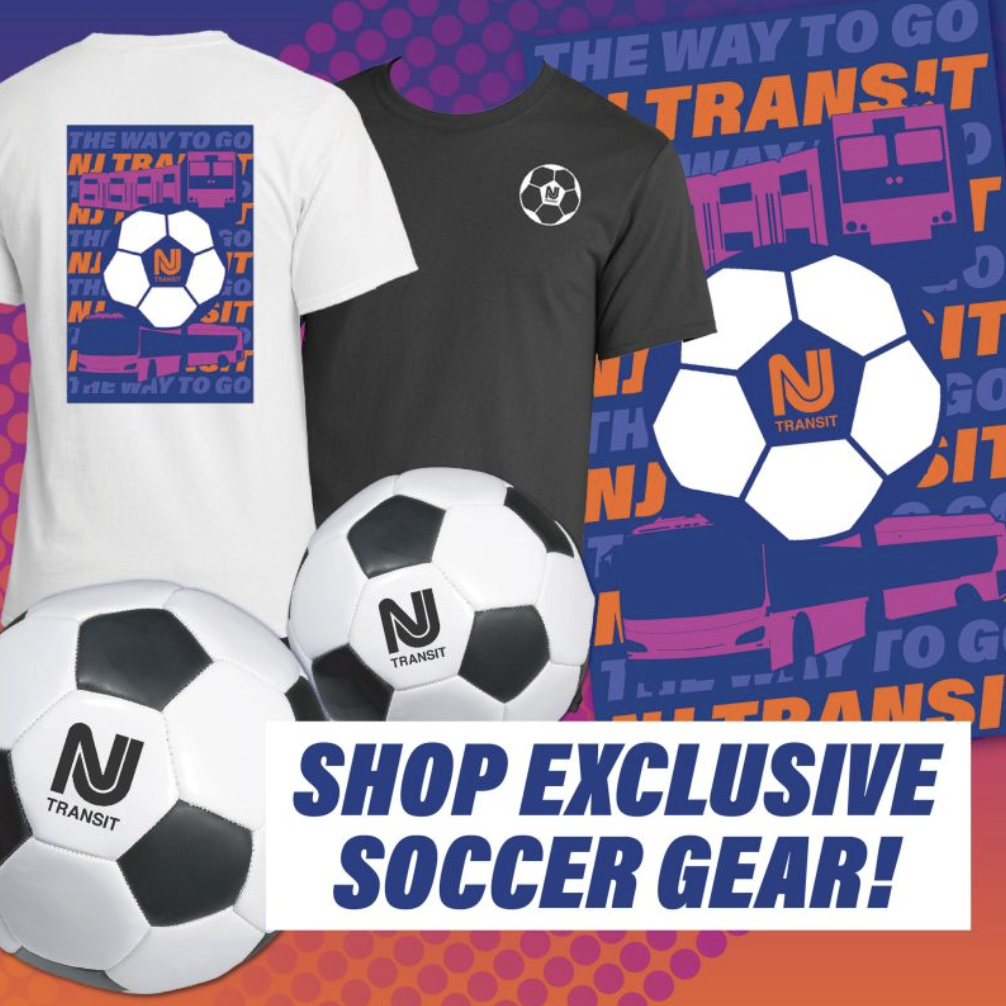
NJ Transit recently had what probably felt like a great branded merchandise idea:
“What if we sold soccer-themed hoodies?”
The internet responded with:
“What if you sold us a functioning train?”
And just like that, a merch launch became an emergency public feedback session.
The comments quickly shifted away from the branded apparel itself and turned into a running list of customer frustrations:
- “NJ Transit dropping everything but those train ticket prices.”
- “WHO is buying this.”
- “Just stop with the merch. Nobody wants this.”
The problem wasn’t that NJ Transit launched branded merchandise.
The problem was that they launched branded merchandise while their audience was thinking about something else entirely.
The First Rule of Great Branded Merch: Know What Your Audience Wants
Successful company merch isn’t just about putting a logo on a hoodie and hoping people buy it.
The best promotional products connect with an audience’s identity, interests, and current experience with a brand.
When customers are excited about a brand, branded apparel can become a powerful marketing tool. People wear it because they’re proud to be associated with the organization.
When customers are frustrated, however, every piece of merch becomes an invitation for feedback.
And not the kind you want.
When Merchandise Becomes a Customer Service Channel
One of the biggest mistakes brands make with promotional merchandise is assuming that merchandise exists in a vacuum.
It doesn’t.
Every branded hoodie, T-shirt, hat, or giveaway item carries all of the feelings customers already have about your company.
If your audience loves you, merch can strengthen loyalty.
If your audience is angry, merch can become a lightning rod.
That’s exactly what happened here. The conversation wasn’t about the hoodie. The conversation was about delayed trains, rising costs, and customer frustration.
The hoodie just happened to be standing in the middle of it.
The Design Didn’t Help
The comments may have been less brutal if the merchandise itself had generated excitement.
Instead, the apparel looked disconnected from what fans actually wanted.
The collection felt less like authentic soccer merchandise and more like it had been designed by someone who had only heard soccer described over the phone.
That’s a harsh assessment, but it highlights an important point for anyone creating branded merchandise:
Good design matters.
People don’t buy company swag because it exists. They buy it because it feels relevant, desirable, and connected to something they care about.
What Smart Brands Can Learn from This Merch Launch
Whether you’re creating employee swag, promotional products, event merchandise, or retail branded apparel, there are a few takeaways:
1. Fix the experience before selling the merch
Merchandise can’t solve a brand perception problem.
If customers are frustrated with your core product or service, branded merchandise won’t distract them from it.
2. Design for the audience, not the organization
The best branded merchandise starts with the customer.
Ask what people would actually want to wear—not what your marketing team wants to sell.
3. Timing matters
A great merch launch at the wrong moment can fail.
Pay attention to how your audience currently feels about your brand before introducing new promotional products.
4. Merchandise should reinforce goodwill
The strongest branded apparel programs build on positive customer sentiment.
Merch works best when people already want a deeper connection with your brand.
The Real Takeaway
The funniest part of the whole situation is that the merchandise wasn’t actually the star of the show.
The comments were.
People didn’t remember the hoodie.
They remembered the reactions.
And that’s the ultimate reminder that branded merchandise doesn’t create brand perception—it reveals it.
Before launching your next company merch collection, make sure your audience is excited to hear from you.
Otherwise, the comments might become the merchandise too.