
By Amanda Hofman, Chief Swag Officer and Branded Merchandise Expert
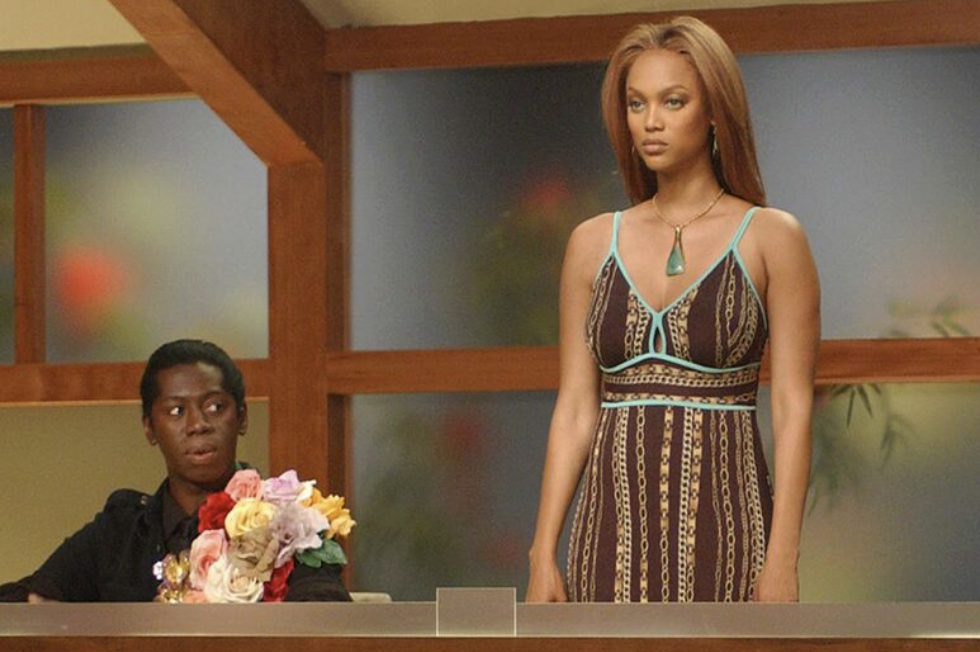
Are you watching the Reality Check: Inside America’s Next Top Model documentary on Netflix? If you’re not, you are dismissed. (You are no longer in the running to be America’s Next Top Model. 👀)
But if you watched America’s Next Top Model (ANTM) when it originally aired, seeing it again through 2026 eyes is a completely different experience.
I’ve been watching clips and sitting there in total disbelief.
And it’s not just ANTM. I recently watched the Biggest Loser documentary, and I had the same reaction:
🚩 …we watched this?
🚩🚩 Weekly?
🚩🚩🚩 And the entire country apparently agreed this was fine?
The early 2000s were absolute lawless reality TV.
Judges would stare someone dead in the eye and dismantle their entire sense of self on national television… while the rest of us sat on the couch eating snacks.
I’m not even judging the shows as much as I’m judging my younger self for not thinking twice about it.
Like ma’am.
Why did you think this was fine?
What This Has to Do With Branding (and Yes, Even Branded Merch)
Watching these documentaries now highlights something fascinating: culture evolves faster than brands think it does.
What felt normal in 2005 feels shocking in 2026.
And this matters a lot for brands creating branded merchandise, promotional swag, and marketing campaigns.
Because the same rule applies:
What resonates with audiences today might age very differently tomorrow.
Great brands—and great branded merch strategies—pay attention to these shifts.
Culture Drives the Best Branded Merchandise
The best custom swag and branded merchandise reflects the moment your audience is living in.
Early 2000s reality TV was built around shock value, harsh critiques, and “tough love.” That tone dominated pop culture.
Today’s audiences respond more to brands that feel:
- Self-aware
- Playful
- Inclusive
- Human
This is why modern branded merch often leans into humor, nostalgia, or internet culture instead of authority or perfection.
The most successful swag and promotional merchandise today feels like something a fan would choose to wear—not something that feels corporate.
Nostalgia Is a Powerful Marketing Tool
One of the reasons these documentaries are exploding right now is nostalgia.
People who watched these shows 15–20 years ago are revisiting them with a new perspective.
That same nostalgia fuels some of the most successful branded swag campaigns today.
Think about:
- Throwback designs
- Retro product references
- Inside jokes from earlier brand eras
- Limited-edition merch tied to cultural moments
When brands tap into shared memories, their promotional merchandise becomes instantly relatable.
A Simple Question for Marketers and Merch Teams
Watching old reality TV makes you ask a weirdly useful question for marketing:
What are we doing right now that future audiences will look back on and say, “Wait… we thought this was normal?”
The smartest brands stay curious about culture as it shifts.
Because the same awareness that shapes great marketing also shapes great branded merchandise and swag.
And sometimes the best insights come from looking back at what we used to think was totally fine.